


Zanzibar | Agricultural Learning Journey
Siso Tanzanian Spice Farm: Learning From Zanzibar's Living Pantry
A visit to Siso Spice Farm in Zanzibar offered Ravele Royal Farming Enterprise a vivid look at how crops can become food, learning experiences, natural products, and memorable stories rooted in place.
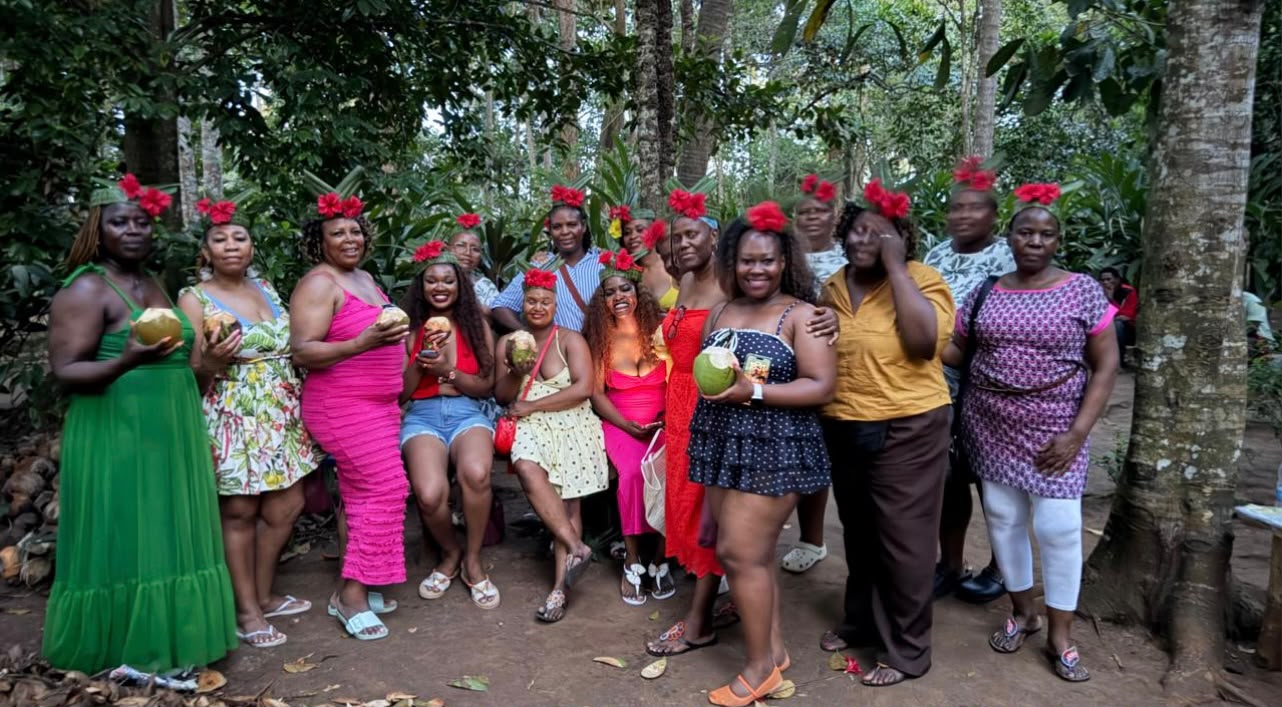
A working farm that invites people into the story
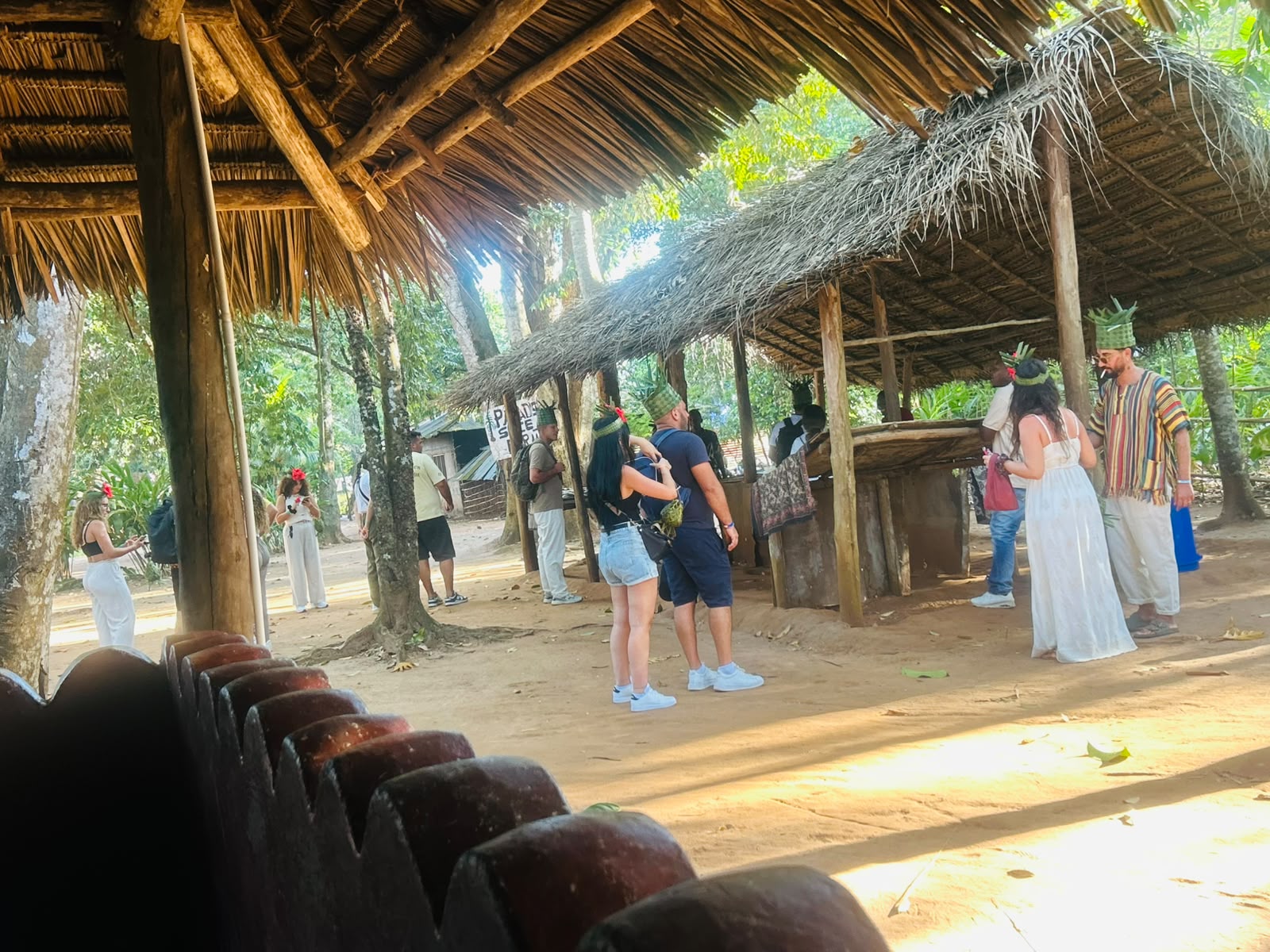
Siso Spice Farm is located on Kidijichi Road in Bububu, Zanzibar. Its public programme brings guided spice walks, Swahili cooking, village experiences, organic products, and farm hospitality together in one place. That combination makes the farm more than a production site. Visitors are encouraged to see, touch, smell, and taste what is growing, while guides explain how familiar ingredients begin as leaves, bark, roots, buds, or fruit.
For Ravele Royal Farming Enterprise, the visit was a practical lesson in agricultural storytelling. A crop becomes easier to understand when a person can walk beside it, recognise its aroma, watch it being prepared, and then experience it at the table. Siso's model shows how local knowledge can add value to agriculture without separating the farm from the community and culture around it.
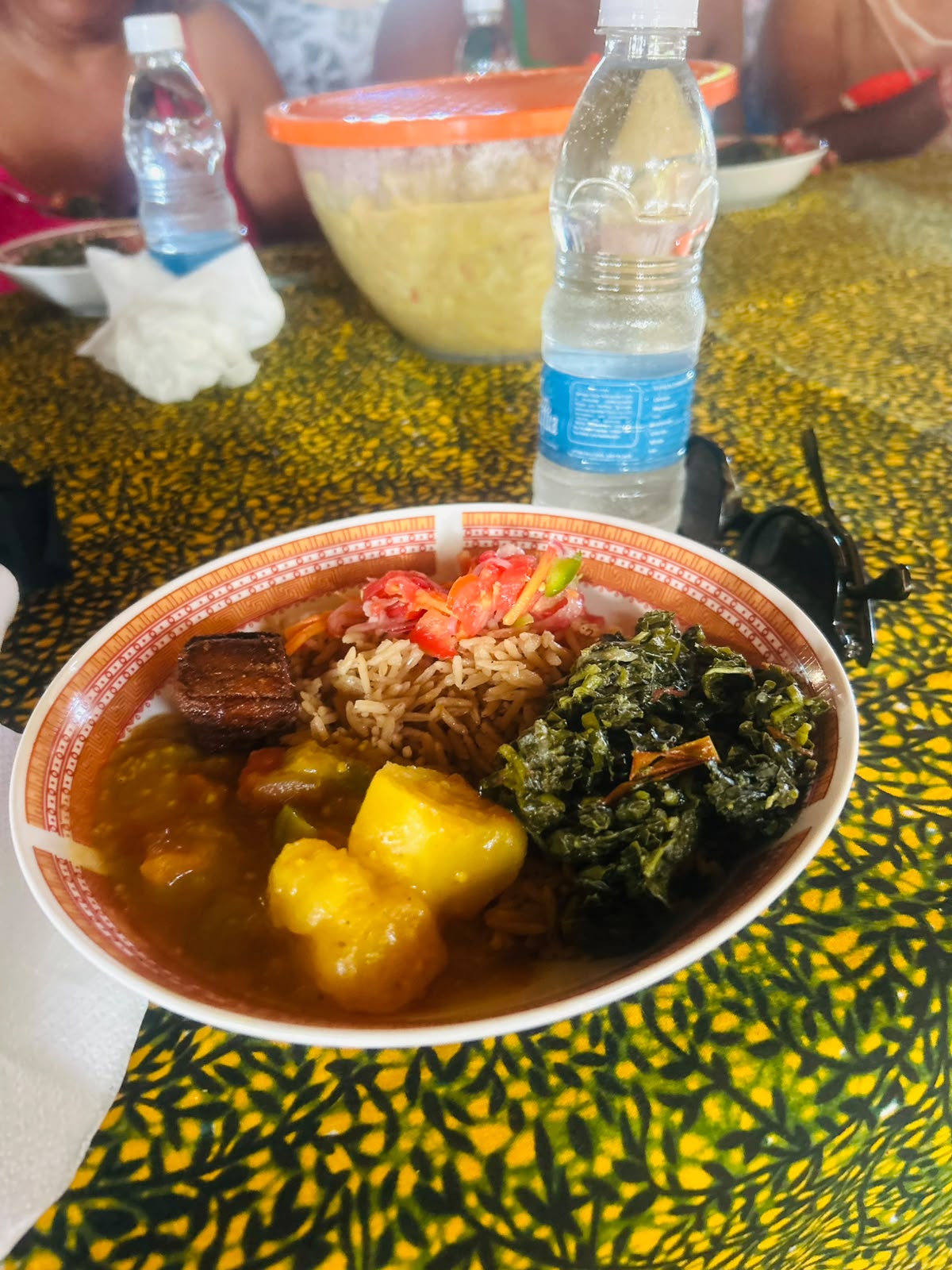
From the garden to a generous Swahili table
The farm experience continued through food prepared with herbs and spices gathered from the surrounding land. The meal brought rice, vegetables, greens, sauces, and other local elements together in a way that made the tour tangible. Instead of speaking about freshness as an abstract idea, the plate showed how ingredients cultivated nearby can shape flavour, nourishment, and hospitality.
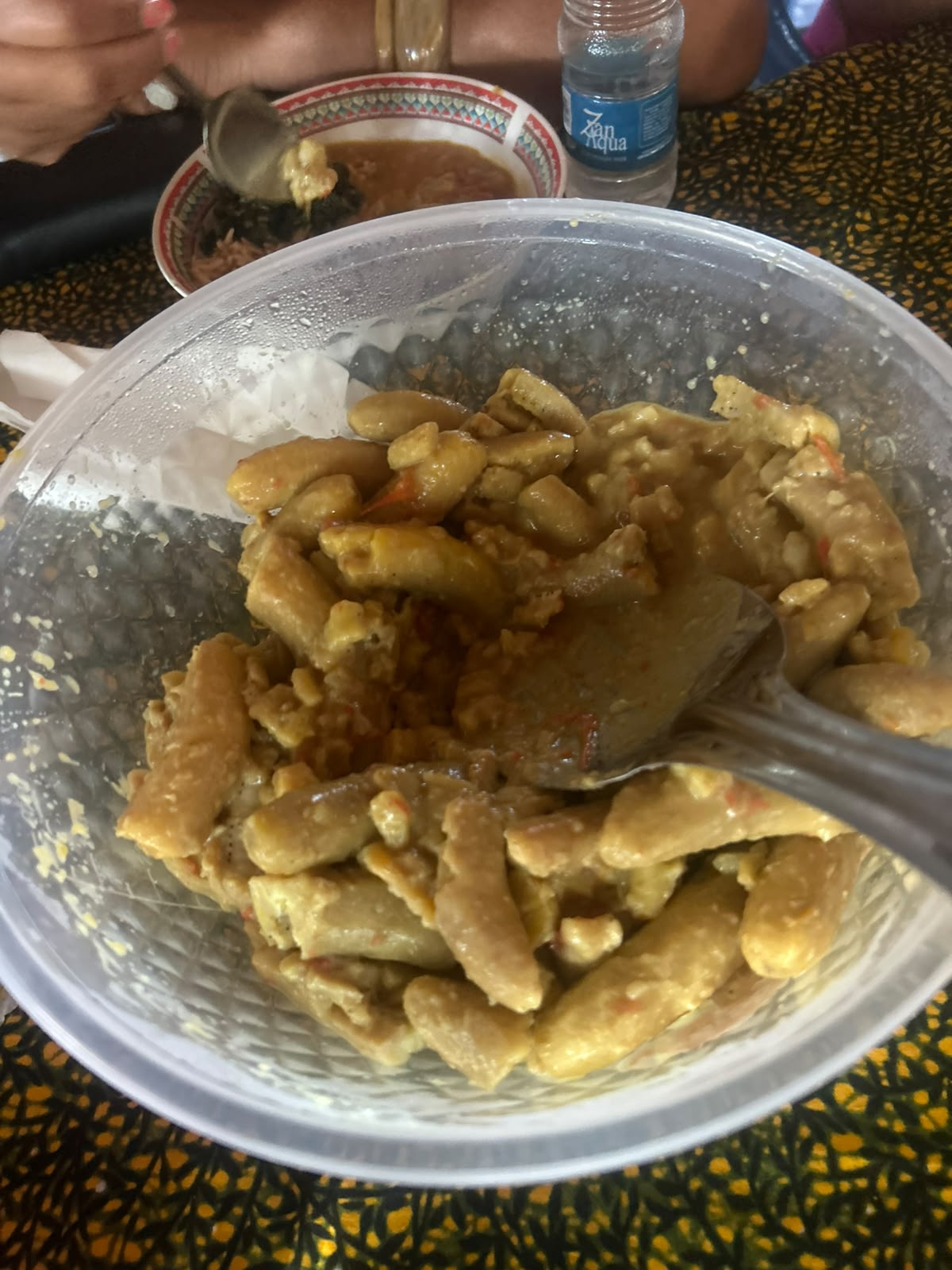
Plantain also featured as a savoury staple. Unlike a dessert banana, the type used for cooking is firm and much less sweet, allowing it to sit comfortably beside curries, sauces, meat, rice, or vegetables. It is a useful reminder that one crop family can serve very different markets depending on variety, maturity, preparation, and local food traditions.
A farm understood through aroma
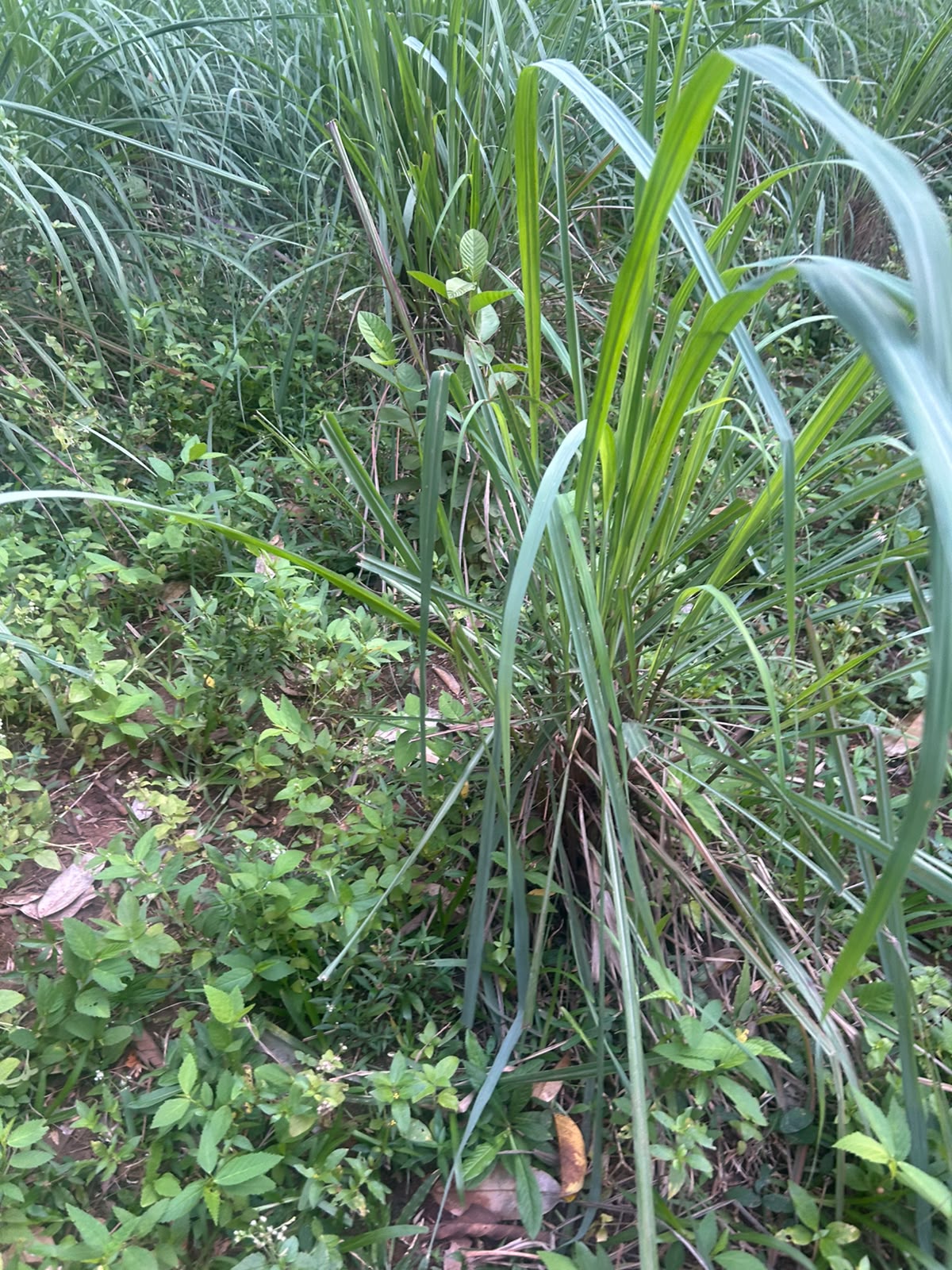
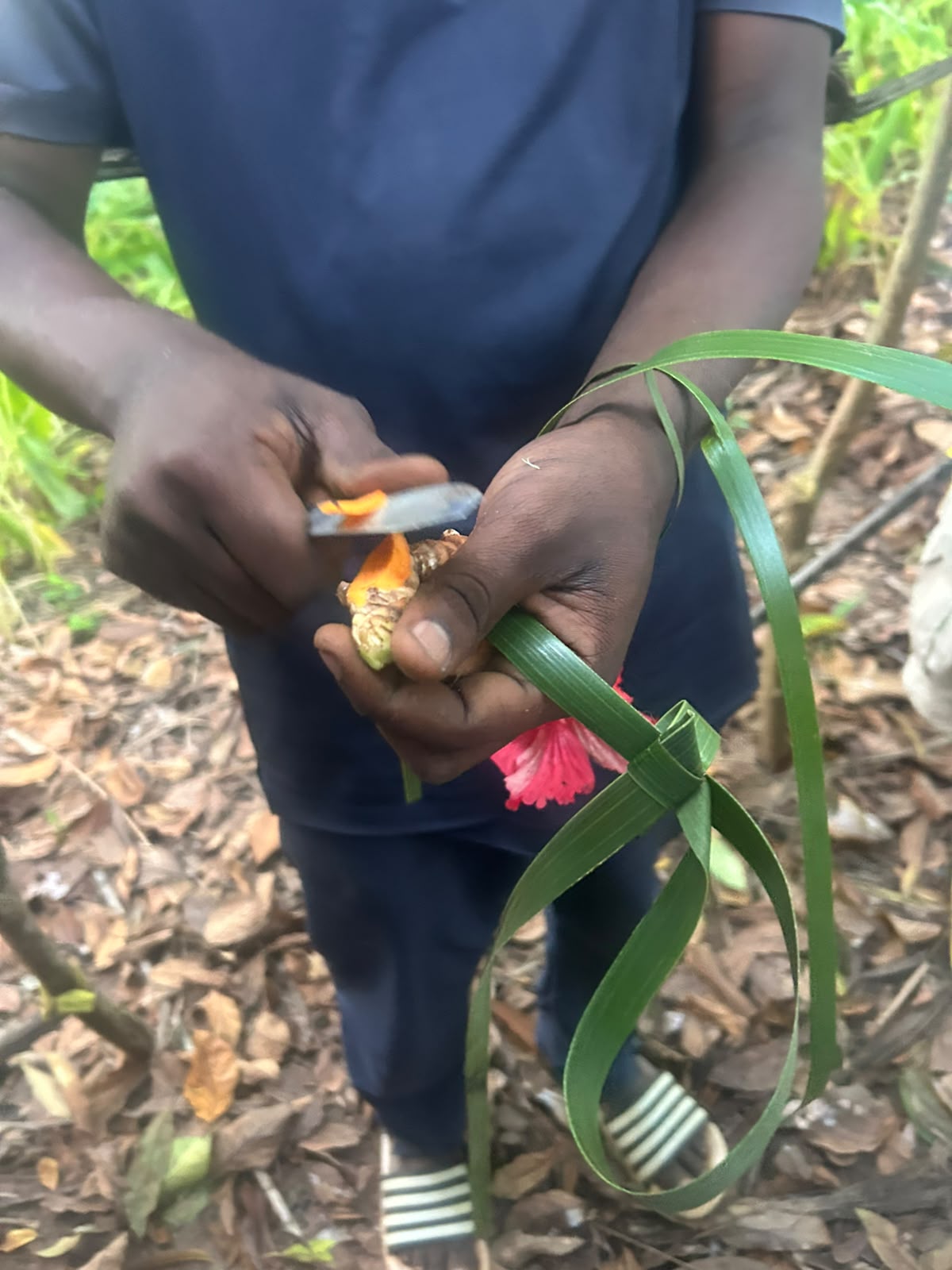
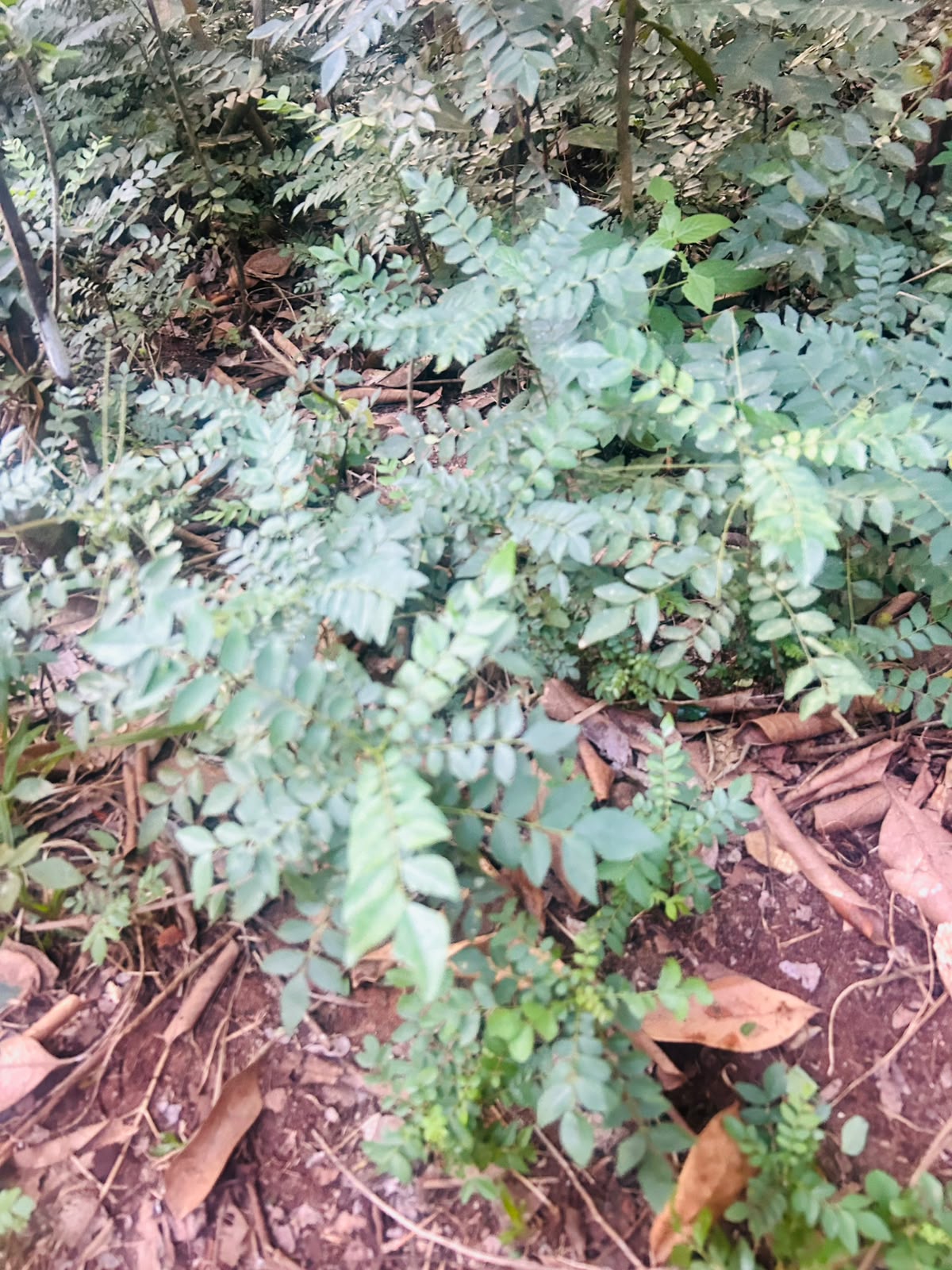
Some of the strongest memories from a spice farm are carried by scent. Lemongrass releases a bright citrus fragrance from its long leaves. Fresh turmeric reveals its deep orange colour beneath the skin. Curry leaf becomes immediately recognisable when rubbed gently between the hands, releasing the warm aroma that gives many dishes their character.
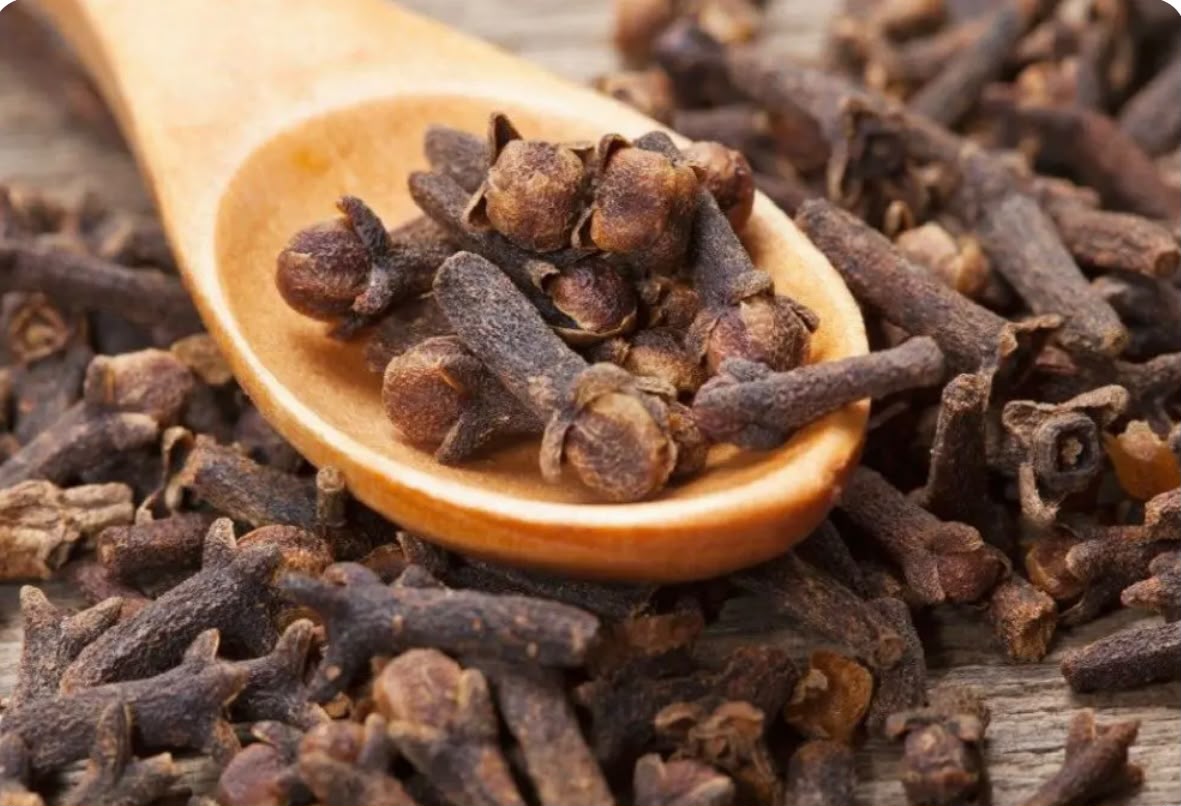
Cloves and cinnamon complete another part of Zanzibar's spice identity. Cloves are harvested as flower buds and dried until they develop the dark, concentrated form used in cooking and infusions. Cinnamon begins as bark, demonstrating how value can come from parts of a plant that may look ordinary until cultivation, harvesting, and processing knowledge brings their purpose forward.

Turning spices into products with a longer life
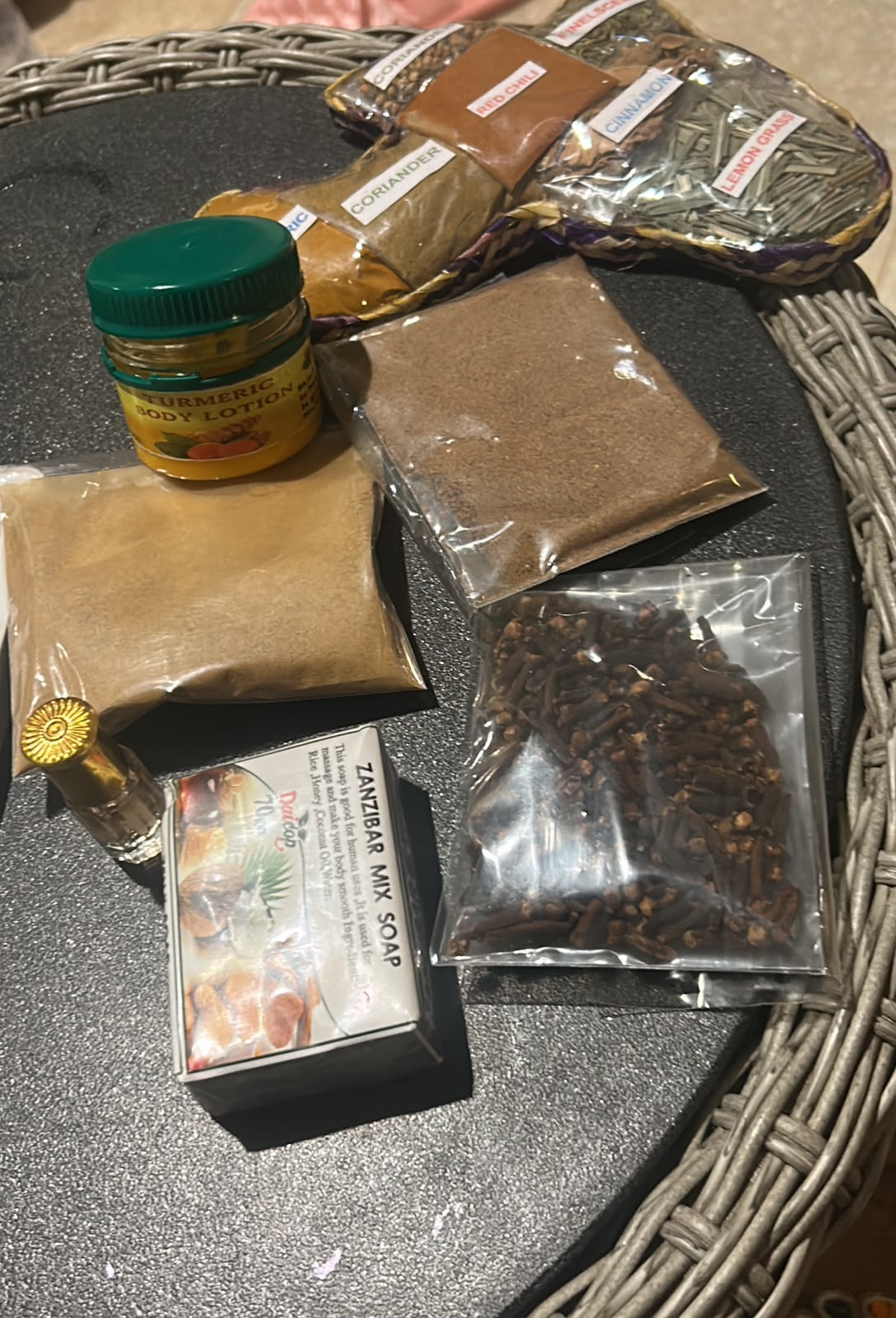
The visit also showed what happens after harvest. Siso's display included turmeric body lotion presented for dark-mark care, cinnamon, lemongrass, cloves, and a Zanzibar mixed soap made with a blend of spices. These products extend the farm's relationship with the customer beyond fresh or dried ingredients and into personal care, gifts, wellness, and tourism retail.
This kind of value addition can help a farm diversify income, reduce dependence on one seasonal market, and create work around preparation, packaging, presentation, and sales. It also gives each crop more than one route to the customer. A spice can be experienced on the farm, used in a meal, sold in its natural form, or developed into a finished product with its own story.
Lessons that travel home
The most useful lesson from Siso Spice Farm is not that every farm should copy the same crops or experiences. It is that agriculture becomes more resilient when production, knowledge, hospitality, processing, and culture support one another. The farm gives visitors a reason to stay longer, ask questions, taste the harvest, and understand the people behind it.
For Ravele Royal Farming Enterprise, that thinking connects naturally with a broader vision for rural development. Fresh produce remains the foundation, but farm visits, local food, educational experiences, and thoughtfully made products can create additional opportunity around the same land. The Zanzibar journey therefore became more than a tour. It offered a living example of how a farm can cultivate crops while also cultivating curiosity, enterprise, and pride in local knowledge.
Learn more
Background on the farm's location and visitor experiences was informed by the official Siso Spice Farm website. More photographs from the visit are available in the Gallery.